


Back to Blog

Preparing Your Facility for Regulatory Inspections
February 6, 2026
Regulatory inspections have a way of showing up at the worst possible time, when staff is stretched thin, documentation isn’t perfectly organized, or a small oversight suddenly feels much bigger under scrutiny. For facility managers, property owners, and operations teams, staying compliant isn’t just about passing an inspection; it’s about protecting people, maintaining operational continuity, and avoiding costly fines or disruptions.
Preparing your facility for regulatory inspections requires a proactive and well-documented approach that addresses safety standards, cleanliness, maintenance, and compliance well in advance of an inspector’s arrival. Whether you manage a healthcare facility, commercial building, industrial site, or multi-use property, understanding what inspectors look for and how to prepare effectively, can make all the difference.
Why Regulatory Inspections Matter More Than Ever
Regulatory inspections aren’t just a formality; they’re a critical checkpoint for safety, compliance, and operational integrity. From OSHA and health department inspections to fire marshal reviews and industry-specific audits, these evaluations help ensure facilities meet established standards designed to protect occupants, employees, and visitors.
Facilities that treat inspections as part of daily operations, not a once-a-year scramble, tend to experience fewer disruptions, stronger compliance outcomes, and greater peace of mind.
Know the Inspection Standards That Apply to Your Facility
Not all facilities are evaluated using the same criteria. The first step in preparing for regulatory inspections is understanding which agencies and standards apply to your building type, location, and operations.
Common inspection areas include:
- Health and sanitation regulations for cleanliness, waste management, and hygiene
- OSHA compliance related to employee safety, signage, and hazard prevention
- Fire and life safety codes including exits, alarms, extinguishers, and emergency lighting
- Environmental standards such as air quality, chemical handling, and spill prevention
- Local and state requirements that vary by municipality across Connecticut and the Northeast
Staying informed about regional and industry-specific regulations helps prevent costly surprises during inspections.
Keep Documentation Organized and Accessible
One of the most common inspection pitfalls is incomplete or disorganized paperwork. Inspectors often request documentation to verify that required processes are being followed consistently.
Make sure you can easily access:
- Cleaning and janitorial schedules
- Maintenance logs and repair records
- Safety training documentation
- Equipment inspection and service reports
- Incident reports and corrective action plans
Keeping both digital and physical copies organized ensures your team can respond quickly and confidently during an inspection.
Prioritize Cleanliness and Preventive Maintenance
A well-maintained facility sends a clear message to inspectors: compliance is taken seriously here. Regular cleaning and preventative maintenance reduce the likelihood of violations and improve overall safety.
Key areas to focus on include:
- Restrooms, breakrooms, and high-traffic common areas
- Floors, carpets, and entryways
- HVAC systems and air quality components
- Trash disposal and recycling areas
- Storage rooms, mechanical spaces, and utility areas
Proactive maintenance not only supports inspection readiness but also extends the lifespan of building systems and improves daily operations.
Conduct Internal Walkthroughs Before Inspections
Routine self-inspections are one of the most effective ways to stay compliant. Walking through your facility with an inspector’s perspective helps identify potential issues before they become violations.
During walkthroughs, look for:
- Blocked exits or improperly stored materials
- Faded signage or missing safety labels
- Damaged flooring or handrails
- Poor lighting in stairwells or corridors
- Inconsistent cleaning or maintenance practices
Addressing small issues early helps prevent larger problems during official inspections.
Train Staff to Support Compliance Efforts
Your staff plays a crucial role in inspection readiness. Employees should understand basic safety protocols and know how to respond if an inspector arrives.
Training should cover:
- Emergency procedures and evacuation routes
- Proper waste disposal and sanitation practices
- Reporting maintenance or safety concerns
- Who to notify during an inspection
A knowledgeable, prepared team reflects well on your facility and helps inspections run smoothly.
Stay Inspection-Ready Year-Round
The most successful facilities don’t prepare only when inspections are scheduled; they maintain consistent standards throughout the year. Ongoing compliance reduces stress, improves safety, and minimizes downtime.
A year-round approach includes:
- Scheduled cleaning and maintenance programs
- Regular compliance reviews
- Clear communication between management and service providers
- Prompt attention to repairs and safety concerns
This proactive mindset keeps your facility ready, no matter when an inspection occurs.
Partner With One Source Companies for Inspection-Ready Facilities
Preparing your facility for regulatory inspections doesn’t have to be overwhelming. While proudly rooted in Connecticut, One Source Companies supports facilities throughout the entire Northeast with dependable, compliance-focused facility management solutions. From janitorial services and preventative maintenance to operational support designed to meet regulatory standards, we help facilities stay clean, safe, and inspection-ready year-round.
Wherever you are, we’re here to help. Contact One Source Companies today to learn how our facility management solutions can support your compliance goals and keep your operations running smoothly.
Recent News
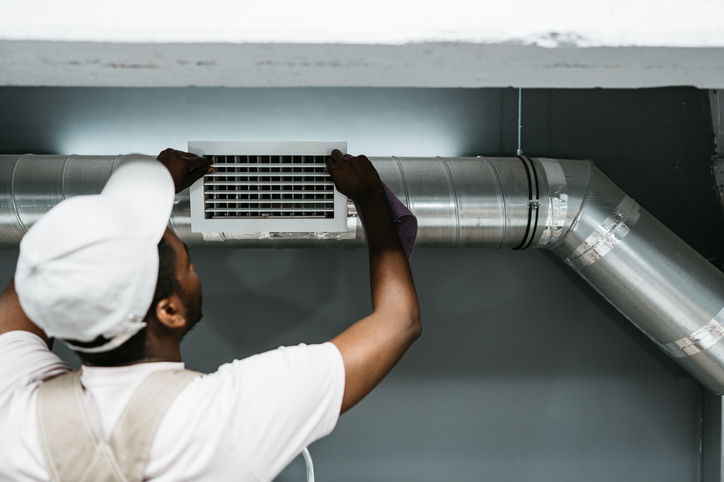
Is Your HVAC Working Against You? The Link Between Duct Hygiene and Energy Costs
August 11, 2026

Seasonal Facility Management Checklist: Transitioning from Spring to Summer
May 18, 2026

Enhancing Indoor Air Quality in Commercial Buildings
November 6, 2025

Implementing Zero-Waste Initiatives in Facility Operations
August 6, 2025

The Ultimate Guide to Facility Management for New Business Owners
May 6, 2025

Spring Readiness: Essential Facility Maintenance Checklist
April 7, 2025