


Back to Blog
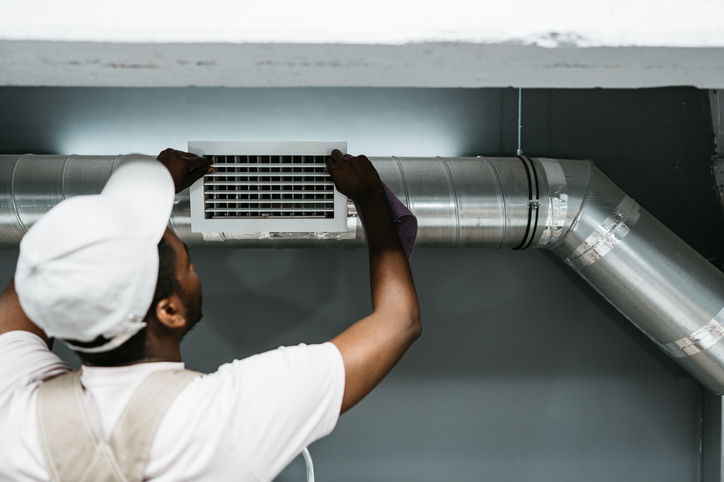
Is Your HVAC Working Against You? The Link Between Duct Hygiene and Energy Costs
August 11, 2026
Dirty ducts restrict airflow, forcing HVAC systems to consume significantly more energy to maintain target temperatures. According to the U.S. Department of Energy, duct leaks and buildup can account for up to 30% of a facility’s heating and cooling energy loss. Regular professional duct cleaning, especially in high-humidity Northeast climates, restores system efficiency, reduces energy bills, and extends HVAC equipment lifespan.
One Source Companies, headquartered in Wallingford, CT, provides certified duct cleaning and comprehensive facility management services to commercial and institutional clients throughout the entire Northeast. Based on the patterns we observe across the facilities we serve, from healthcare organizations and retail banking locations to multi-unit residential properties and office complexes, poor duct hygiene is consistently one of the most underestimated contributors to elevated HVAC energy costs. This post breaks down exactly how that connection works, what warning signs to watch for, and what facility managers in the Northeast should be doing about it.
The Hidden Cost of Dirty Ducts: How Buildup Drives Up Energy Bills
Most facility managers think about HVAC energy costs in terms of equipment age or thermostat settings. Ductwork rarely enters the conversation until something goes obviously wrong. That’s a costly oversight.
Inside every duct system, air travels through a network of metal channels before reaching the occupied spaces of a building. When those channels are clean, air moves freely at consistent pressure and volume. When they’re coated with dust, debris, biological growth, or construction particulates, airflow becomes restricted. The HVAC system’s fan and motor must work harder to push the same volume of air through a smaller effective opening. This increased mechanical effort translates directly into greater energy consumption.
How Does HVAC Duct Hygiene Directly Affect System Efficiency?
Clean ducts support HVAC efficiency by allowing air to move at designed pressure and volume without obstruction. This keeps the entire system operating within its intended parameters: the fan motor runs at appropriate load, heat exchange is effective, and conditioned air reaches occupied zones as intended.
When duct hygiene deteriorates, efficiency drops in several interconnected ways:
- Increased fan energy consumption: Motors compensate for restricted airflow by drawing more power
- Reduced heat transfer efficiency: Dust and debris on coils and near registers impede the exchange of heat, reducing the effectiveness of both heating and cooling cycles
- More frequent system cycling: Uneven air distribution causes thermostats to call for more conditioning, increasing runtime and energy draw
- Accelerated equipment wear: Components under sustained elevated load degrade faster, leading to earlier failures and higher capital replacement costs
Clean ductwork, by contrast, allows an HVAC system to operate at peak design efficiency. This reduces strain on all mechanical components and extends the equipment’s useful life. For facilities managing aging HVAC infrastructure, regular duct cleaning can defer capital replacement costs by several years.
What Are the Warning Signs That Your Facility’s Ducts Need Cleaning?
Recognizing the early indicators of compromised duct hygiene allows facility managers to act before energy costs escalate significantly. Watch for:
- Visible dust accumulation at vents and registers: A clear sign that particulates are circulating through the duct system and settling at airflow exit points
- Inconsistent temperatures across zones: When some areas of a building are consistently warmer or cooler than others despite identical thermostat settings, restricted or uneven airflow is often the cause
- Musty, stale, or unusual odors from supply vents: Biological growth inside ductwork, including mold and mildew, produces characteristic odors that become noticeable when the HVAC system runs
- Unexplained increases in energy bills: A sudden or gradual rise in utility costs without a corresponding change in occupancy, weather, or equipment age warrants an inspection of the duct system
- Elevated allergy symptoms or indoor air quality complaints: Contaminated ducts recirculate allergens, particulates, and biological matter throughout occupied spaces, triggering respiratory symptoms among building occupants
Any one of these signs warrants a professional inspection. Multiple signs appearing together suggest that duct contamination has progressed to the point where energy costs and occupant health are both affected.
The Northeast Challenge: Why Regional Climate Makes Duct Hygiene More Critical
Facilities in Connecticut and across the Northeast face environmental conditions that accelerate duct contamination at a faster rate than many other regions. Understanding this regional context helps explain why duct hygiene is a particularly urgent issue for Northeast facility managers.
Humidity is the primary factor. The Northeast experiences persistently high relative humidity during spring and summer months, creating conditions that support biological growth inside ductwork, particularly in systems that run cooling cycles. Moisture introduced into ducts through condensation, fresh air intake, or minor leaks provides an environment where mold and mildew can establish and spread. Once present, biological contamination is more difficult and costly to remediate than standard dust and debris removal.
Seasonal temperature swings also drive contamination. Transitioning from months of heating to months of cooling, and back again, means ducts are alternately warm and dry, then cool and humid. These cycles promote different types of particulate accumulation and can cause materials inside ductwork to expand and contract, loosening debris that then enters the airstream.
For facilities in the greater Wallingford, CT area and throughout Connecticut, Massachusetts, Rhode Island, and the broader Northeast, these conditions mean that duct cleaning is not a one-time remediation task but an ongoing maintenance priority. One Source Companies understands these regional variables and builds them into service recommendations for every facility type we serve.
What Does Professional Duct Cleaning Involve?
Professional duct cleaning is a structured process that goes well beyond vacuuming visible dust from registers. A certified duct cleaning service involves:
- Pre-inspection: Assessing duct system layout, identifying contamination levels, and documenting existing conditions before work begins
- Source removal cleaning: Using NADCA-compliant methods (negative air pressure, agitation equipment, and HEPA-filtered extraction) to dislodge and remove accumulated debris from all accessible duct surfaces
- Coil and component cleaning: Addressing evaporator coils, blower components, and drain pans that contribute to system-wide contamination
- Post-cleaning verification: Confirming that contamination has been removed and airflow has been restored to the designed parameters
Take Control of Your Facility’s Energy Costs
The relationship between HVAC duct hygiene and energy costs is direct, measurable, and actionable. Dirty ducts restrict airflow, cause mechanical systems to consume excess energy, accelerate equipment wear, and reduce comfort and air quality in occupied spaces. For facilities throughout Connecticut and the Northeast, where climate conditions accelerate contamination, maintaining a proactive duct-cleaning program is among the highest-return facility management decisions available.
One Source Companies delivers certified duct cleaning and full-spectrum facility management services from our base in Wallingford, CT, to clients across the entire Northeast.
Are you ready to find out what your ductwork is costing you? Contact One Source Companies today to schedule a professional duct inspection.
Recent News

Seasonal Facility Management Checklist: Transitioning from Spring to Summer
May 18, 2026

Preparing Your Facility for Regulatory Inspections
February 6, 2026

Enhancing Indoor Air Quality in Commercial Buildings
November 6, 2025

Implementing Zero-Waste Initiatives in Facility Operations
August 6, 2025

The Ultimate Guide to Facility Management for New Business Owners
May 6, 2025
Spring Readiness: Essential Facility Maintenance Checklist
April 7, 2025